what do political parties encourage voters to do
For nearly xl years, IRI has supported over 190 political parties around the world—at national, regional, and local levels—to build capacity in five primal areas: involvement identification and assemblage; citizen engagement and voter mobilization; political party organization; leadership recruitment and retention; and governing and accountability.
Interest Identification and Aggregation
IRI programming supports party linkages with citizens by helping leaders and members identify citizen interests through public opinion research, including polling and focus-group discussions. This helps ensure that party activities are responsive to the public. Additionally, IRI provides support for developing substantive policy platforms based on parties' understanding of their constituencies. Through the development of branding, marketing, and external messaging, parties can ensure that the public associates them with their respective platforms.
Denizen Engagement and Voter Mobilization
IRI engages citizens in the political process through voter registration, identification of supporters, leave the vote (GOTV), volunteer recruitment and retentivity, likewise as other tools and strategies, such as signing petitions and attending town hall meetings. IRI promotes issue-based electoral outreach and actively discourages voter mobilization based on bribery, compulsion, or other forms of political clientelism.
Party System
IRI supports the development of democratic party organizational structures, including support for local branch evolution, internal communication, fundraising, and campaign infrastructure.
Leadership Recruitment and Retention
IRI programming strengthens political party evolution of competent and responsive political leaders through noesis and capacity building trainings; support for internal, democratic leadership option; and championing youth and women's party wings.
Governing and Accountability
IRI promotes accountability by helping candidates develop policies that are cogitating of party platforms once they have won elections. For example, IRI's From Winning to Governing Effectively (WiGov) curriculum helps party candidates effectively transition from campaigning to developing and implementing their promised policies.
The broad variety of political party needs emphasizes the importance of tailoring each program to the unique strengths and weaknesses of local parties and political party systems. Through public opinion research, mural analyses, and cardinal histrion assessments, IRI contextualizes and combats the challenges parties face in maintaining their roles equally a key link between citizens and governments. The success of such programming relies on the Plant's ability to build and inspire strong relationships and networks, within the community and at various party level structures.
Political Engagement and Elective Outreach
Trust in established political parties has declined beyond the globe. Ascension disillusionment has coincided with a decrease in voter turnout, requiring renewed connection between political parties and their constituents. IRI programs help political parties develop constituent outreach strategies that include branding, marketing, and external messaging. Relatedly, IRI programs support campaigning – parties' mobilization of citizens to participate in elections through voter registration and GOTV programs. IRI provides public stance research to inform constituent outreach, as information helps parties make up one's mind problems, messaging, and focus areas.
During the COVID-19 pandemic, it is critical that political parties continue to involve their constituents in creating an constructive response to the crunch. IRI has developed a guidance document on Helping Political Parties Deliver During COVID-nineteen to enable political parties to keep engaging with key constituencies and develop approaches that represent their interests, values, and voices.
Entrada and Platform Development
To assist provide meaningful policy choices for voters, IRI programming encourages including citizens' interests in political parties' campaigns and platforms. These plan approaches may include public stance research that offers parties data on constituent interests and/or activities that back up the development of cohesive policy platforms.
Many political parties suffer from weak internal organization structures, resulting in a lack of legitimacy at the grassroots level and poor communication between local and national branches of the political party. IRI programs strengthen the organizational chapters of political parties, including internal communication, local branch development, internally autonomous rules and procedures, membership recruitment and retentiveness, fundraising, and identification of supporters.
Public Opinion Inquiry: Polling and Qualitative Studies
Parties need real-time data on citizens' concerns to be responsive to these needs. To accost this need, IRI conducts and shares public opinion inquiry – including polls and focus groups – with political parties. For the polling to back up upshot-based competition, stakeholders must sympathise the information before they can have and use the results. To reach this, the Plant "phases in" public opinion enquiry, initially running programs that introduce party representatives to polling and focus group methods and how the data can inform political party operations. Once this is established, polls help the Found "offset the conversation" on how to best align political parties with denizen interests.
Leadership and Networking
Competitive parties crave competent and responsive leaders who place citizens' interests first. To strengthen leadership, IRI provides capacity-building trainings, supports the development of internal democratic leadership selection processes, and helps bolster youth and women wings. To strengthen leadership at all levels, IRI includes party representatives from across the country, particularly outside of the capital letter, in party building and campaign planning programs to encourage a diversity in political party voices and create a strong national network. To maximize sustainability of leadership evolution opportunities, IRI establishes leadership academies. In Jordan, Uganda, Nigeria, and Republic of bosnia and herzegovina, among other countries, IRI has increased political political party engagement amidst younger individuals. These networking opportunities enable party members to build strong relationships with key actors, including cardinal leadership teams and party branch networks.
IRI programs support cross-political party initiatives like policy debates, working groups, legislative caucus evolution, and integrity pacts. Pro-republic dialogue is promoted through programs like IRI'due south Advanced Leadership in Politics Establish (ALPI). ALPI has brought together youth leaders from beyond the Balkans to promote cantankerous-border solidarity through workshops, lectures, seminars, and events that encourage collaboration and compromise. The ALPI Toolkit farther encourages social cohesion in other divided political environments. This ongoing, structured interaction between competitors tin can mitigate polarization, political use of disinformation, corruption, and political conflict.
Technical Experts
Matt
Lakin
Senior Advisor, Political Parties and Political Engagement

Natalie
Trisilla
Director, Evidence and Learning – Center for Global Bear upon

Jan Erik
Surotchak
Senior Managing director, Transatlantic Strategy

Katya
Rimkunas
Regional Deputy Director, Latin America and the Caribbean area

Stephen B.
Nix, Esq.
Regional Director, Eurasia

Johanna
Kao
Regional Director, Asia

Marta
Onorato
Program Director, Kosovo

Thibault
Muzergues
Program Director, Europe & Euro-Med

Chris
Yonke
Program Manager, Thailand

Beatriz
de Anta
Program Director, Panama

Ilija
Vojnovic
Plan Director, Turkey

Jorge
Ceballos
Programme Managing director, El Salvador

Stephanie
Roland
Deputy Director, Eurasia

Michael
Druckman
Programme Director, Ukraine
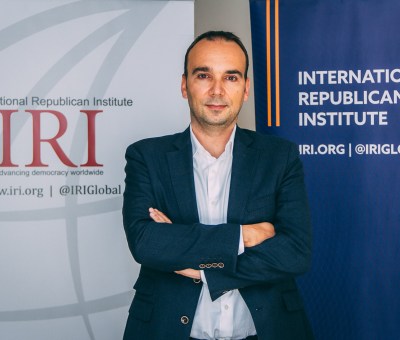
Borislav
Spasojevic
Program Director, Republic of bosnia and herzegovina
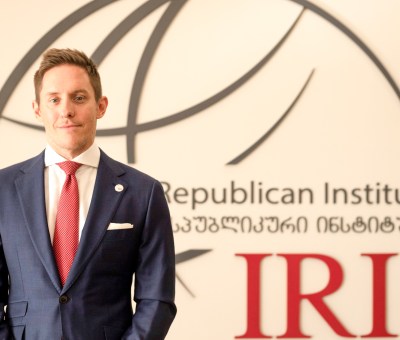
John
DiPirro
Program Director, Georgia

James
De Witt
Program Manager, Armenia
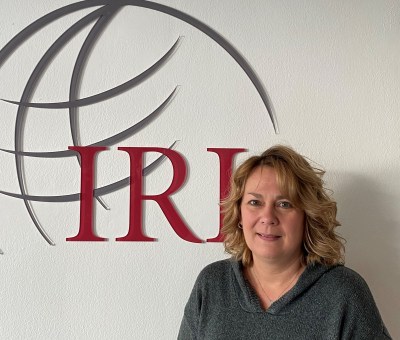
Andrea
Keerbs
Program Director, Hungary

Amie
Woeber
Program Director, Pacific Islands Regional Program
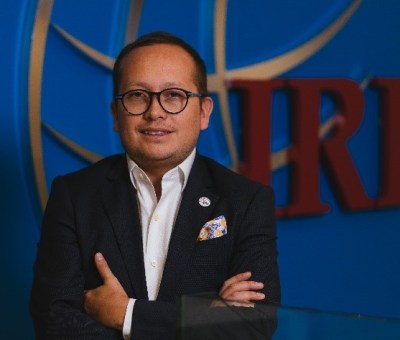
Horacio Marcelo Quiroga
Salas
Regional Plan Director, Caribbean

Jessica
Keegan
Technical Advisor, Balloter Integrity
Mark
Dietzen
Program Director, Belarus

Sentell F.
Barnes
Program Director, Tanzania

Ashleigh
Whelan
Resident Plan Manager, Iraq
Source: https://www.iri.org/what-we-do/political-parties/
Belum ada Komentar untuk "what do political parties encourage voters to do"
Posting Komentar